
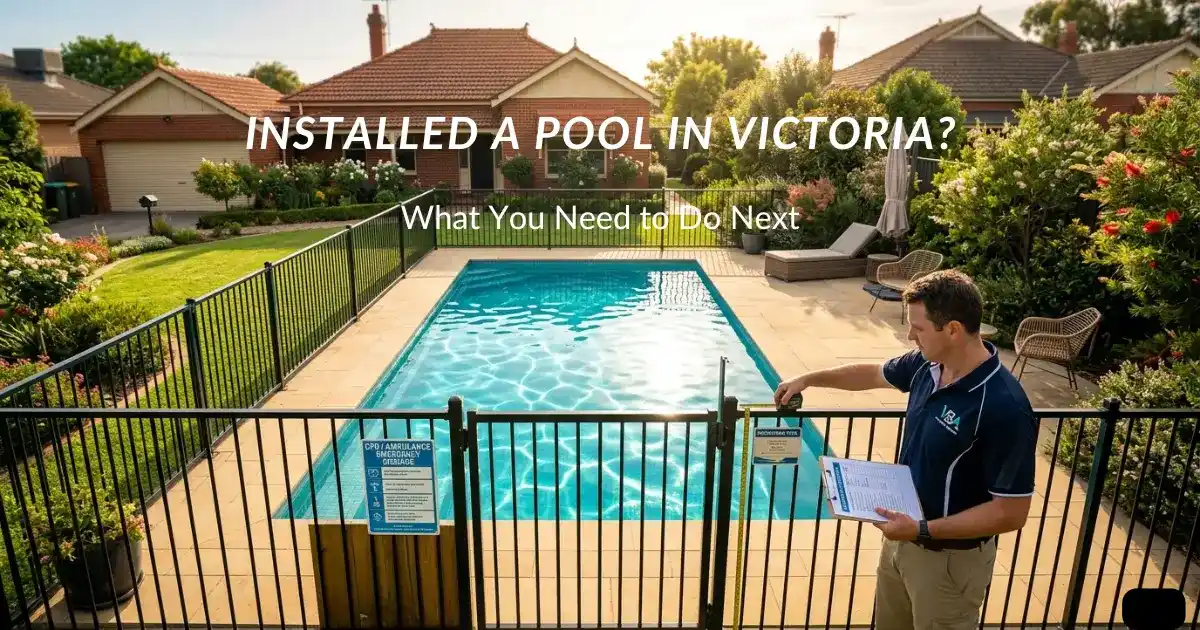
If you have recently installed a swimming pool or spa in Australia, completing your pool registration in Victoria is the first legal step toward ensuring your backyard is safe and compliant. Since December 2019, the Victorian Government has mandated that all permanent and relocatable pools must be registered with the local council to ensure safety barriers are in place. Following registration, owners must engage a VBA-registered pool inspector from a firm such as Local Pool & Spa Inspection to obtain a Certificate of Barrier Compliance Form.
The process involves verifying the construction date, paying the pool compliance certificate fee, and adhering to the four-year inspection cycle. Failure to complete Victorian pool registration can result in significant fines, making it vital to follow the legislated timeline for pool registration in Victoria.
Understanding the Victorian Pool Registration Laws
The pool registration process in Victoria is governed by strict state legislation designed to prevent drownings by ensuring every pool barrier in Australia meets safety standards. Under these laws, any pool or spa capable of holding more than 300mm of water must be recorded on a municipal register.
Mandatory Registration Requirements
In Victoria, registration is not optional. Every owner of a property with a pool or spa must notify their local council.
It applies to all properties across Australia’s Victorian suburbs, whether the pool was built decades ago or finished yesterday.
The registration allows councils to monitor compliance and remind owners when their next safety audit is due.
Defining Your Pool Type
The law covers a broad range of structures. It includes in-ground, above-ground, and indoor pools, as well as VIC registration requirements for relocatable pools used for temporary setups.
If it can hold 30cm of water, it needs to be on the books. LPASI specialists often remind clients that even high-end outdoor spas and swim spas fall under these exact same definitions.
The Building Act 1993
The legal backbone of these requirements is the Building Act 1993 and the Building Regulations 2018.
These acts were amended to include the mandatory registration scheme to create a centralised database of pool safety.
It ensures that Victorian pool registration is standardised across every council from Bayside to the Mornington Peninsula.
Penalties for Non-Compliance
Failing to register for the pool in Victoria is a costly mistake. Councils in Australia have the authority to issue on-the-spot fines exceeding $300, and failing to register after a formal notice can lead to court-issued fines of over $1,800. Staying compliant is significantly cheaper than the penalties for negligence.
Step-by-Step Guide to Registering Your Pool with Council
Completing your pool registration in Victoria is a direct administrative process that officially enters your pool into the government safety system.
Step 1: Locate Your Local Council
Your first task is to identify which local government area your property falls under. Most councils in Victoria now offer an online portal specifically for pool registration.
You will need to provide your property address and basic contact details to begin the application.
Step 2: Pay the Registration Fee
Once you submit your details, you must pay the pool compliance certificate fee associated with registration.
Most councils charge a small administrative fee (usually around $35 to $80) to process the paperwork and search their archives for your pool’s original building permit.
Step 3: Verification of Construction Date
The council will then verify when your pool was built. This is a critical step because the construction date determines which Victorian pool fence regulations apply to your barrier.
Older pools are often held to different standards than those built under modern pool safety standards.
Step 4: Receive Your Council Confirmation
After the council processes your application, you will receive a formal letter. This document confirms your pool is registered and specifies the applicable barrier standard. It also sets the deadline for providing your first Certificate of Barrier Compliance Form 23.
Victoria’s Pool Compliance Deadlines (2024 & Beyond)
Understanding the deadlines for pool registration in Victoria is essential to avoid legal friction with your local council.
Existing Pool Deadlines
Most existing pools in Australia were required to be registered by mid 2020. However, if you have purchased a property recently or missed the deadline, you must act immediately.
The deadlines for lodging your compliance certificate are staggered by pool age, with many older pools requiring certification throughout 2024 and 2025.
New Pool Requirements
For newly installed pools, you must complete your Victorian pool registration within 30 days of receiving your final occupancy permit or certificate of final inspection. You then typically have 30 days to lodge your first compliance certificate with the council.
The Four-Year Cycle
Compliance is not a one-time event. Once your first pool safety inspection in Melbourne is passed, you enter a four-year cycle.
You must have your barrier re-certified by a VBA-registered pool inspector every four years to ensure the gates and fences have not degraded.
| Pool Construction Date | Registration Deadline | Certification Frequency |
| Before 1 Nov 1994 | Passed | Every 4 Years |
| 1 Nov 1994 to 1 May 2010 | Passed | Every 4 Years |
| After 1 May 2010 | 30 Days after completion | Every 4 Years |
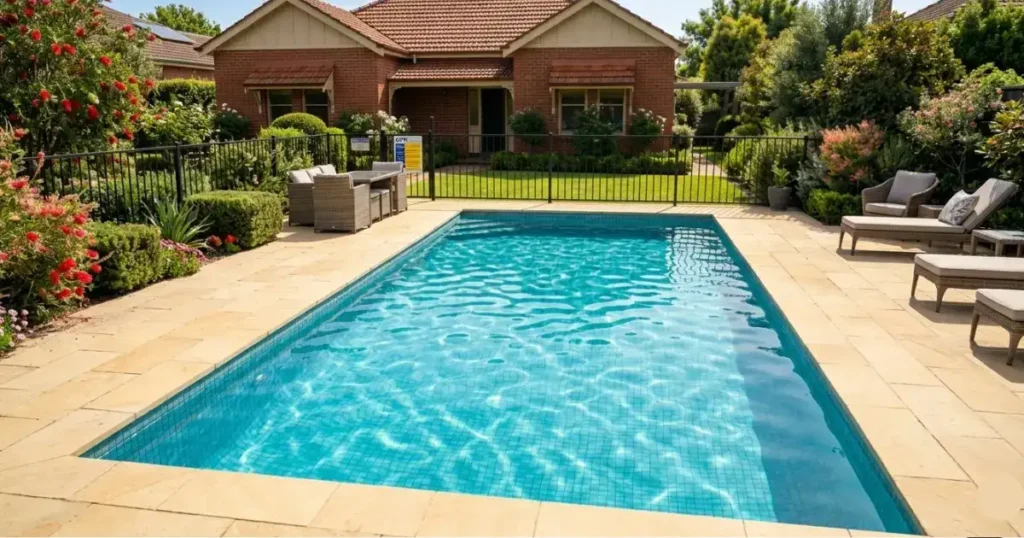
Inside the Inspection: What a VBA-Registered Inspector Looks For
A pool safety inspection in Melbourne is a technical audit of your barrier’s physical state. A VBA-registered pool inspector from Local Pool & Spa will use specialised tools to verify your barrier against the law.
Australian Standard AS 1926.1-2012
It is the most common standard used for modern pools. The inspector checks that the fence is at least 1200mm high and that there are no gaps larger than 100mm.
If your pool was built under this standard, it must be maintained with zero deviation. For more details on these technical specs, check our AS 1926.1 Pool Inspection Guide.
The “Climbable Zone” Check
The inspector looks for any footholds within 900mm of the outside of the fence. It includes trees, BBQ sets, or even heavy pot plants. If a child can use it to climb over, it is a breach of Victorian pool fence regulations.
Gate Mechanics & Latching
The gate must be self-closing and self-latching from any position. LPASI inspectors frequently find that gates fail because they don’t latch when opened only a few centimetres. Irt is often the primary reason a pool fails inspection.
CPR Signage Requirements
A visible, durable CPR sign adhering to the state’s mandated resuscitation signage standards must be displayed within the pool area. It must be in good condition and not faded by the Australian sun, as it provides vital instructions during an emergency.
Structural Integrity
The fence must be sturdy. If an inspector can shake a post and create a gap, or if timber pickets have rotted away, the barrier will not pass. The integrity of the ground beneath the fence is also checked to ensure no erosion has created large gaps.
Pro Tips: How to Pass Your First Inspection and Save Money
Passing your Victoria pool registration certification on the first try is the best way to save money and reduce stress.
The Self-Assessment Advantage
Before booking a professional, utilize a comprehensive swimming pool compliance checklist to self-assess your barriers. Walk your perimeter, check your gate hinges, and ensure your non-climbable zone is clear. This simple DIY check catches 80% of frequent safety barrier defects and common failure points.
Fix-on-the-Spot Policy
As the best pool instructor in Victoria, we understand that some issues are minor. If a screw is loose or a latch needs a slight adjustment, we aim to help you fix it on the spot so you can achieve your Certificate of Barrier Compliance Form 23 without a second visit.
Detailed Rectification Reports
If your pool does not pass, ensure you receive a detailed report. LPASI provides comprehensive guides on exactly what needs to be fixed, including photos and references to the specific Victorian pool fence regulations.
Coordinate with Fencing Contractors
If major repairs are needed, share your inspection report directly with your fencing contractor. This ensures they build to the specific Australian Standard required for your pool’s age, preventing another failed result.
Preliminary Consultations
If you are unsure about a complex barrier, book a consultation first. This is especially helpful for properties in Australia with shared boundary fences or unique landscaping that might complicate the pool safety inspection process in Melbourne.
Understanding Fees: Registration vs. Inspection vs. Lodgement
Budgeting for your pool registration in Victoria involves three distinct costs that every Australian pool owner should anticipate.
Council Registration Fee
It is a one-time fee paid to your local council to enter your details into the system. It covers the administrative cost of archiving your property’s pool history.
Professional Inspection Fee
This is paid to your VBA-registered pool inspector for their expertise and the physical audit of your property. While professional pool safety assessment rates vary by location and barrier complexity, it remains a necessary investment in safety.
Council Lodgement Fee
After you receive your Certificate of Barrier Compliance Form 23, you must pay a small fee to the council to lodge the certificate. It officially updates your status to Compliant for the next four years.
Avoid Hidden Re-Inspection Costs
The best way to keep costs down is to pass the first time. Re-inspection fees are charged when an inspector has to return to verify repairs. Being prepared is the key to avoiding these extra charges.
Final Verdict
Successfully managing your pool registration in Victoria and ensuring subsequent compliance are hallmarks of responsible property ownership in Australia.
By registering with your local council, understanding the deadlines, and maintaining your barrier to the highest standards, you protect both your family and your financial interests.
Whether you are dealing with relocatable pool registration VIC or a permanent luxury installation, the team at Local Pool & Spa is here to guide you through every step.
Safety is a shared responsibility, and it begins with a registered and compliant pool.
Frequently Asked Questions on Pool Registration in Victoria
How much does pool registration cost in Victoria?
The council registration fee for pool registration in Victoria is typically between $35 and $80. This is separate from the inspection fee and the certificate lodgement fee.
When is the deadline for pool registration in Victoria?
For new pools, the deadline is 30 days after the barrier’s final inspection. For older pools, the registration deadline has already passed, so you should contact your council immediately if you have not yet registered.
What is a Form 23 Certificate of Pool Compliance?
A Certificate of Barrier Compliance Form 23 is a legal document issued by a VBA-registered pool inspector. it proves that your pool barrier meets the safety standards required by the state of Victoria.
Do I need to register an inflatable or relocatable pool?
Yes, a VIC relocatable pool registration is required for any inflatable or temporary pool that can hold more than 300mm of water. If it stays up for more than 3 days, it must be registered and fenced.
What happens if my pool barrier fails the safety inspection?
If your barrier fails, you will receive a rectification report. You typically have 60 days to fix the issues and book a re-inspection to avoid being reported to the council.
How often do I need a pool inspection in Victoria?
Once you have lodged your first certificate, you are required to have a pool safety inspection in Melbourne every four years.
Can I sell my house if the pool is not registered?
Selling a house with an unregistered or non-compliant pool can complicate the sale. Most buyers in Australia will insist on a valid Certificate of Barrier Compliance Form 23 as part of the section 32 statement.
Who is responsible for registering a pool in a rental property?
The property owner (landlord) is legally responsible for Victorian pool registration and ensuring the barrier remains compliant, though tenants must ensure they do not leave gates propped open.
How do I remove a pool from the council register if it’s been decommissioned?
You must provide evidence to the council that the pool has been removed or filled in so it can no longer hold 300mm of water. The council will then remove the entry from the pool registration Victoria database.